How to Cool Down After a Workout
Finish training with a real cool-down: easy walk, light stretches for what you trained, breathe, water, and a quick safety check. Read one step at a time. Start with preflight. Dizzy? Dizzy / lightheaded. Still tight? Still very tight. No time? No-time minimum.
Tips for reading this guide
- One step at a time. Read the green caption, the Why line, then the bullets.
- Move on when the green done line is true — then go to the next step.
- Walk first. Stretching is second.
- Dizzy? Dizzy / lightheaded.
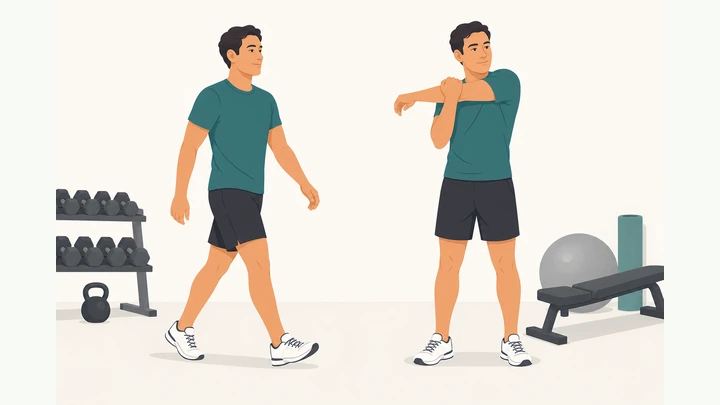
Things You'll Need
- Water bottle
- Space to walk
- Optional yoga mat
- Optional light foam roller
Where are you stuck?
Follow Start here for a full cool-down. Jump to a branch for dizziness, tightness, or no time.
Start hereKeep moving → easy walk → light stretches → breathe → water → check
Preflight — know what you trained; block 5–10 minutes; water ready.
Know trained areas · 5–10 min · water nearby.
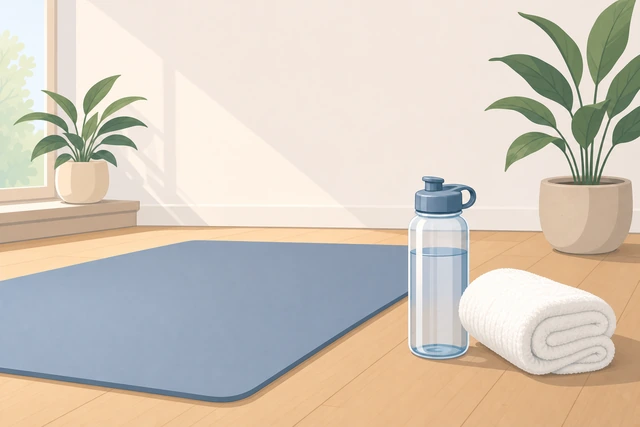
A cool-down needs a little time and water — ending at max effort then sitting is the failure mode.
- Note which muscles you just worked.
- Block 5–10 minutes before you leave.
- Keep water within reach.
- Short on time? → No-time minimum.
Time and water are ready and you know what you trained.
When the last hard set ends, keep moving — do not sit immediately.
Last set done · stay on feet · keep easy motion.
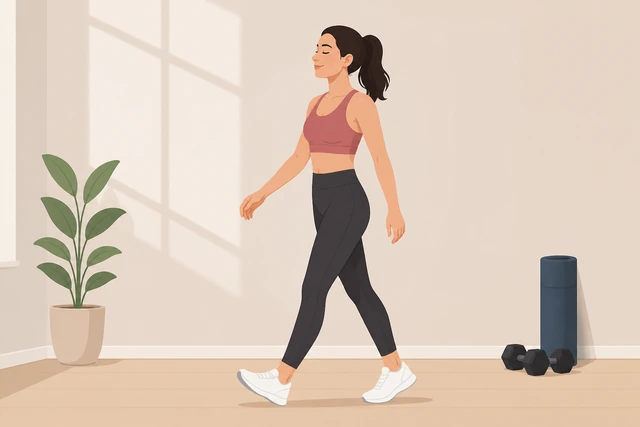
Stopping cold lets blood pool and can make you feel awful — keep light movement going.
- Finish the last work set.
- Stand or walk right away.
- Do not drop onto a bench for a long sit yet.
You are still moving lightly after the last hard effort.
Do 2–5 minutes of easy walking (or very easy pedal/row).
Easy walk 2–5 min · breathing eases · no sprints.
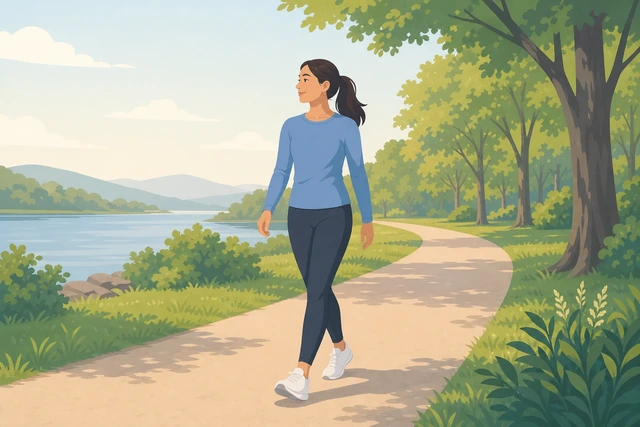
A gradual pulse drop is the core of a cool-down — walking does most of the job.
- Walk at an easy conversational pace.
- If on a bike/rower, use a very easy spin.
- Continue until breathing is clearly easier.
Breathing is easier after 2–5 minutes of easy movement.
If you trained upper body, do slow arm circles and shoulder rolls.
Slow arm circles · shoulder rolls · no heavy swings.
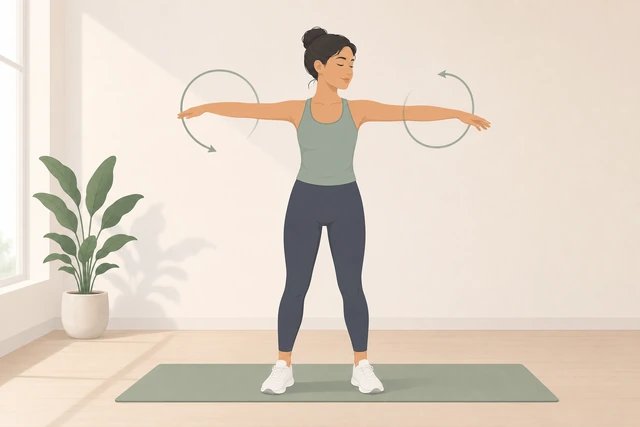
Light movement after pressing/pulling reduces that locked-up shoulder feeling.
- Skip if you only trained legs.
- Do slow forward/back arm circles.
- Add gentle shoulder rolls.
Shoulders feel a bit looser, or you correctly skipped this for a legs-only day.
If you trained legs, do gentle hip openers or easy reverse lunges.
Easy hip openers · light lunges · no deep forced stretches yet.
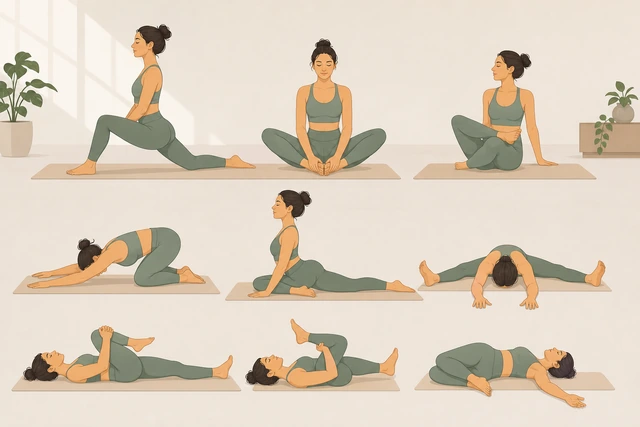
Hips tighten after squats/runs — gentle openers bridge into static holds.
- Skip if upper-body only.
- Use easy reverse lunges or a gentle world's-greatest walk-through.
- Keep range comfortable.
Hips feel less clamped, or you correctly skipped for an upper-only day.
Add light static stretches for primary muscles — 20–30 seconds, no bouncing.
20–30 sec holds · no bounce · breathe · primary muscles first.
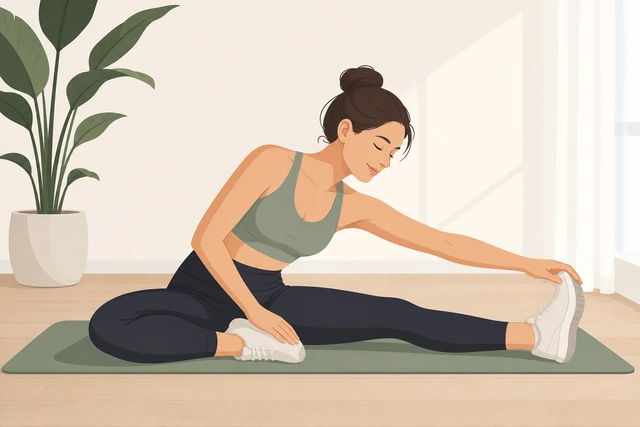
Short static holds after you are warm help range without the bounce injury pattern.
- Pick the main muscles you trained.
- Hold 20–30 seconds.
- Do not bounce.
- Still very tight? → Still very tight.
You completed gentle static holds for the main trained muscles.
Stretch calves, hamstrings, or quads if legs were involved.
Calves / hammies / quads as needed · gentle · both sides.
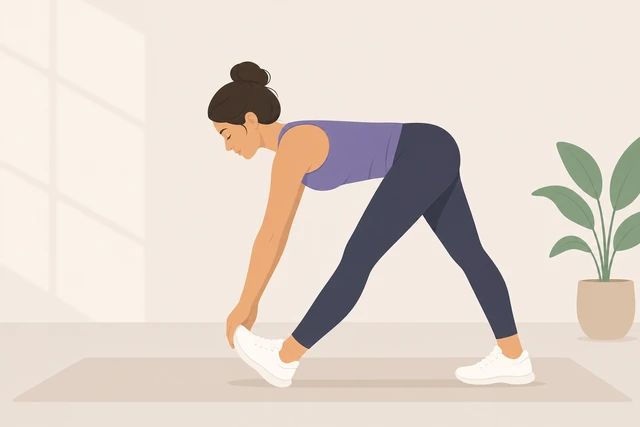
Lower-leg and thigh tightness is common after runs and lower-body days.
- Do a wall calf stretch if calves worked.
- Hinge gently for hamstrings with soft knees.
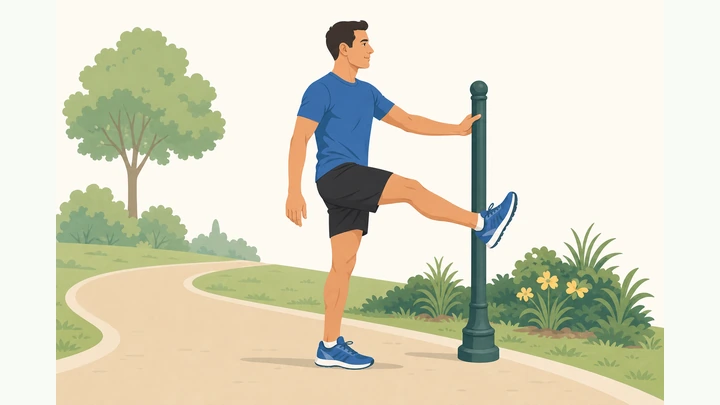
- Standing quad pull if quads worked.
Relevant lower-body stretches are done, or correctly skipped.
Stretch chest or upper back if you pressed or rowed.
Doorway chest or cross-body · gentle · both sides.
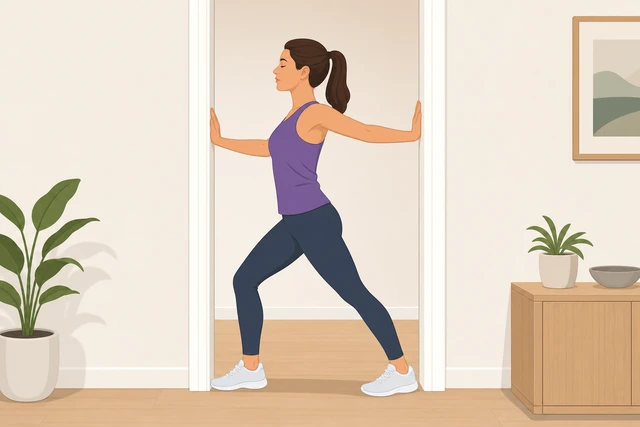
Pressing leaves the chest tight; rows leave the upper back wanting a gentle open.
- Doorway chest stretch if you pressed.
- Cross-body or gentle band pull-apart hold if you rowed.
- Keep pain-free.
Relevant upper-body stretches are done, or correctly skipped.
Slow your breathing; drop your shoulders.
Slow breaths · shoulders down · jaw soft.
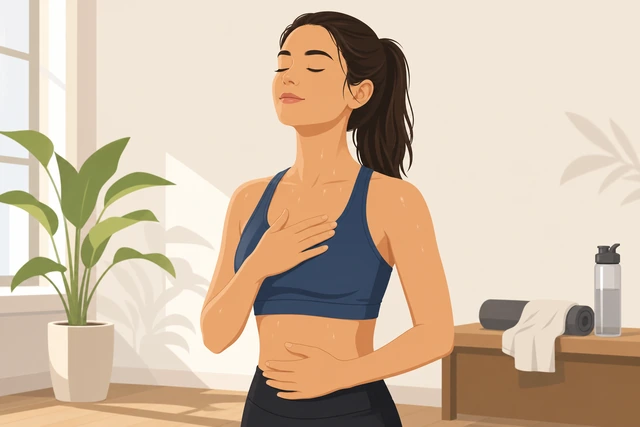
Nervous-system downshift finishes what the walk started.
- Take several slower breaths.
- Drop shoulders away from ears.
- Unclench the jaw.
Breathing is calmer and shoulders feel lower.
Sip water; plan a light snack if the session was long.
Sip water · optional snack plan · no chugging contest.
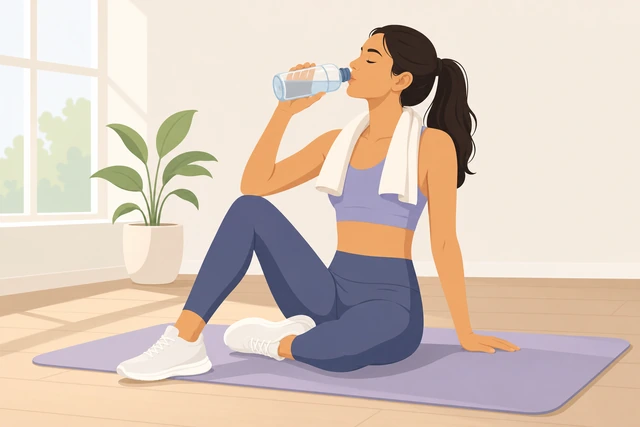
Rehydration supports recovery; you do not need to flood your stomach.
- Sip water over a few minutes.
- If you trained hard/long, plan a normal meal or snack soon.
- Avoid gulping so fast you feel sick.
You have started hydrating.
Quick body check for dizziness, sharp pain, or unusual chest symptoms.
Check dizziness · sharp pain · unusual chest symptoms · act if needed.
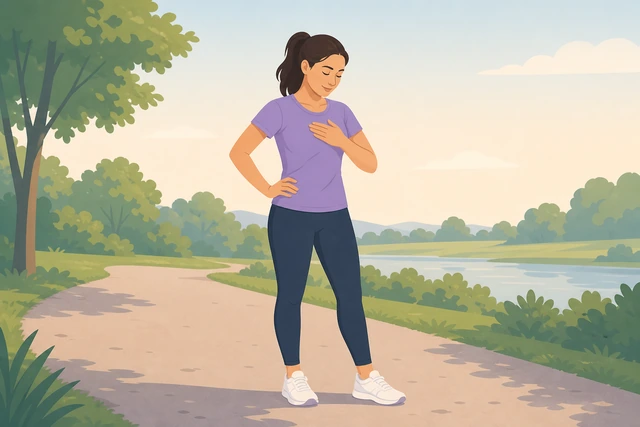
Cool-down is also a safety screen before you drive or rush out.
- Notice if you feel faint or deeply dizzy.
- Note sharp joint/muscle pain vs normal fatigue.
- Unusual chest pain/pressure needs urgent care — not more stretching.
- Dizzy or lightheaded? → Dizzy / lightheaded.
You have screened for red-flag symptoms.
Write one line: what felt tight and what to stretch next time.
One line · tight areas · next-time stretch note.
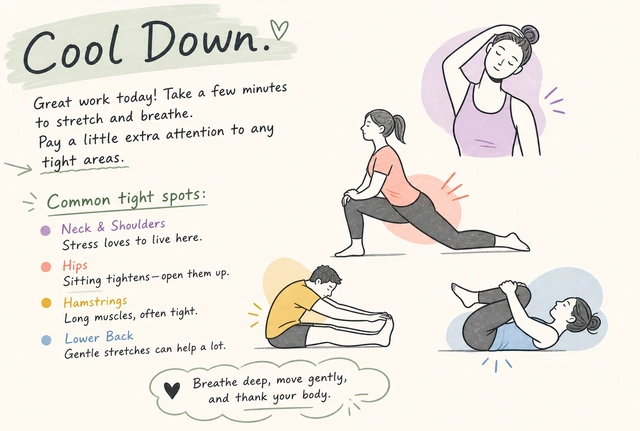
A tiny log makes the next cool-down targeted instead of generic.
- Note what felt tight.
- Note what helped.
- Keep it to one line.
A short cool-down note exists.
Transition out calmly: shoes, layer, leave without rushing.
Shoes/layer · leave calmly · HR not still maxed.
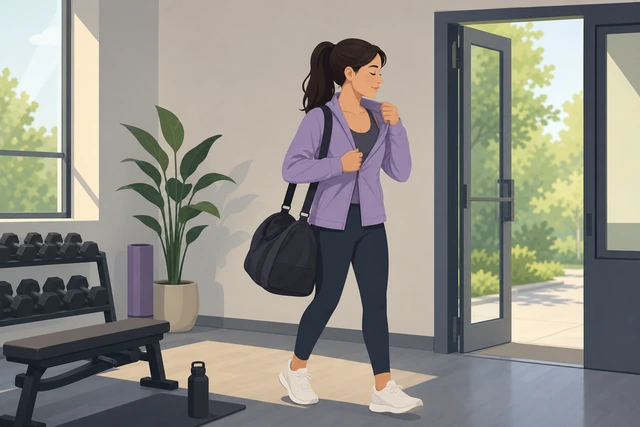
Rushing out mid-adrenaline is how people skip the cool-down they just earned.
- Put on a light layer if you are cooling fast.
- Gather gear.
- Leave at a normal walking pace.
You left the session after an intentional cool-down.
Dizzy / lightheadedFeel faint or deeply lightheaded after hard work
Stop stretching; sit or lie down safely.
Sit/lie · safe spot · stop moving fast.
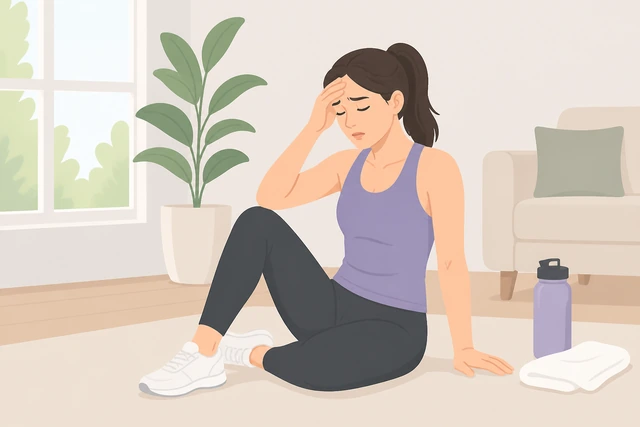
Fighting dizziness upright risks a fall.
- Sit on the floor or a sturdy bench.
- Lie down if sitting is not enough.
- Ask for help if needed.
You are seated or lying safely.
Elevate legs if you know how and it feels better.
Legs up if helpful · stay down · breathe.
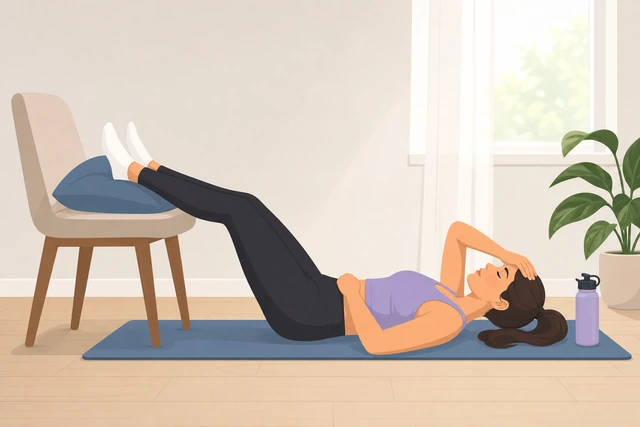
Elevating legs can help blood return after hard efforts.
- Lie down and elevate legs on a wall/bench if comfortable.
- Keep breathing slow.
- Do not jump up quickly.
You rested with legs elevated or stayed safely seated.
Sip water slowly.
Small sips · no chugging · stay seated.
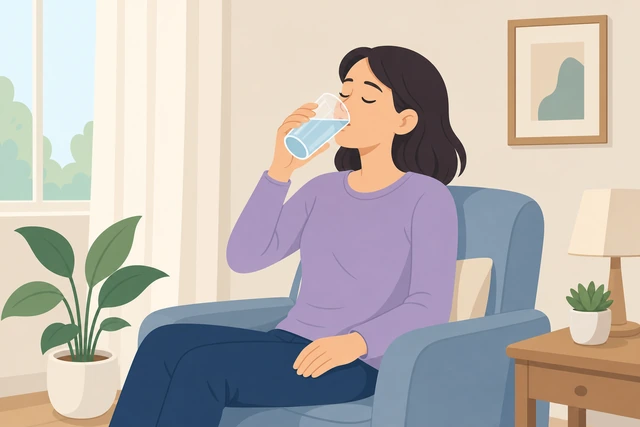
Dehydration can worsen lightheadedness.
- Sip water.
- Stay seated.
- Wait before standing.
You sipped water while still down.
Stand only when clear; rise in stages.
Sit → kneel/stand slowly · pause · then walk.
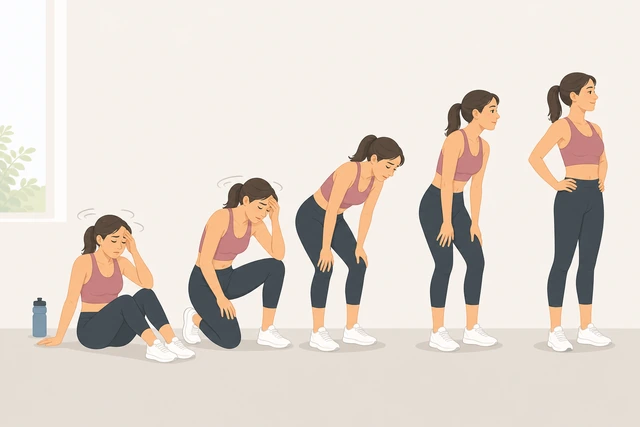
Standing fast restarts the dizzy spiral.
- Sit up first.
- Pause.
- Stand and pause again before walking.
You stood without a return of heavy dizziness.
Do not drive if still foggy; seek care for fainting/chest symptoms.
No driving if foggy · urgent care for faint/chest pain.
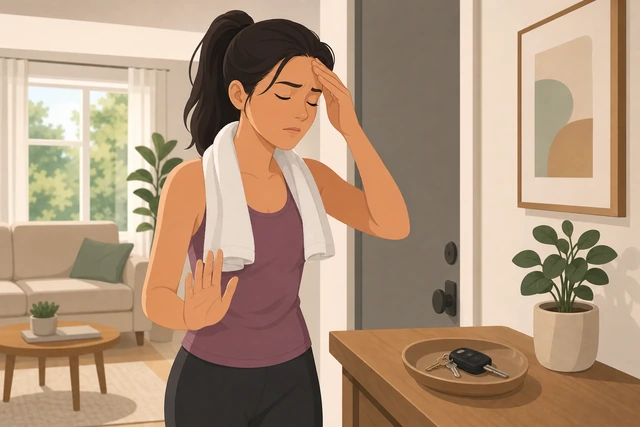
Safety beats finishing a stretch routine.
- Skip driving if not clear.
- Call for help if you fainted or have chest pain/pressure.
- Tell a friend before you leave alone.
You chose a safe exit plan.
Fainting, chest pain, or ongoing severe dizziness — get medical care now.
Still very tightMuscles still feel clamped after basic stretches
Add 30–60 more seconds of easy walking.
Extra easy walk · then stretch again.
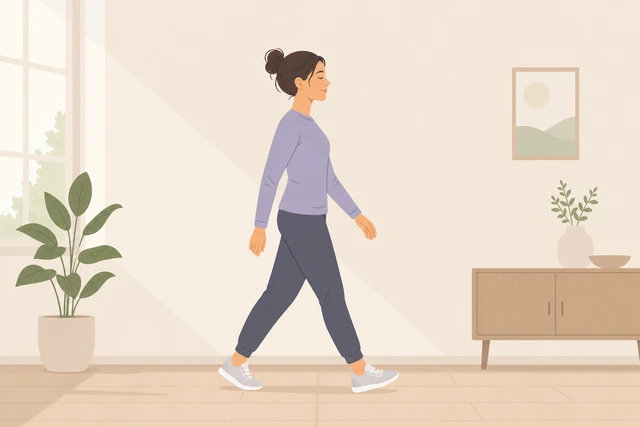
More blood flow often beats forcing a deeper stretch.
- Walk easily another 30–60 seconds.
- Shake out the tight area.
- Retry a gentle hold.
You walked a bit more before stretching harder.
Lengthen gentle holds to about 30–45 seconds.
Longer gentle hold · still no bounce · breathe.
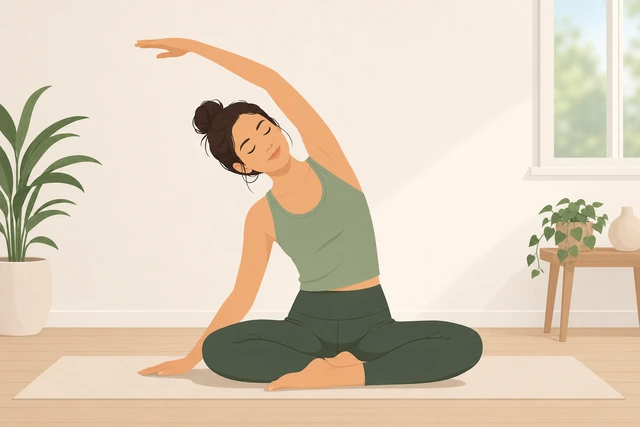
Slightly longer holds help stubborn tightness after you are warm.
- Hold 30–45 seconds.
- Stay below pain.
- Breathe steadily.
Holds are a bit longer without pain.
Use light foam rolling if you have a roller — no deep bruising pressure.
Light roll · short passes · no torture pressure.
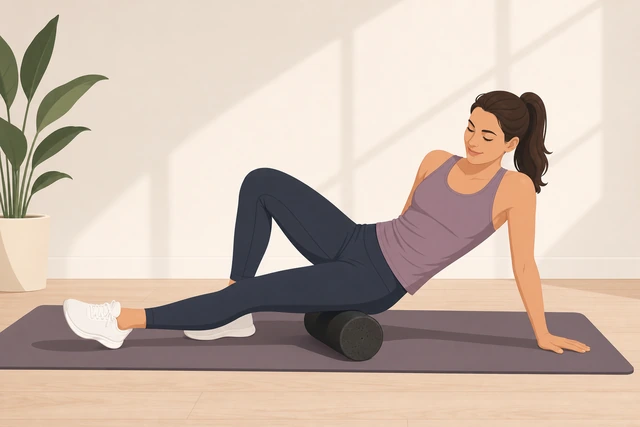
Light rolling can reduce the stuck feeling; crushing tissue is not the goal.
- Roll lightly for 20–40 seconds.
- Avoid bony points and sharp pain.
- Return to a gentle stretch.
You used light rolling or skipped if you have no roller.
Stretch both sides even if one feels worse.
Both sides · even the looser one · keep balance.
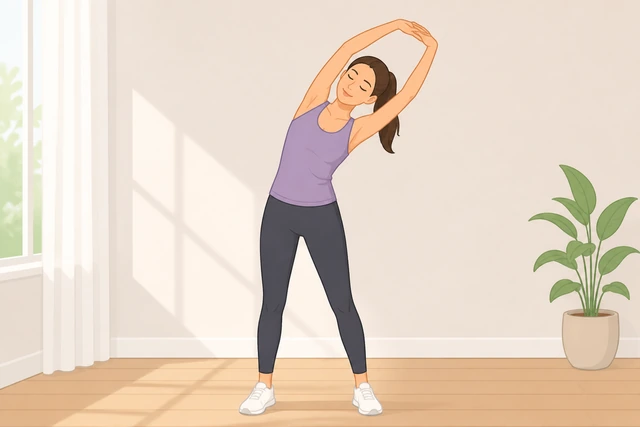
Only hammering the tight side can leave you uneven.
- Do the same stretch on both sides.
- Spend a little extra on the tighter side.
- Keep it gentle.
Both sides are stretched.
Do not force end-range; book more mobility for another day if needed.
Stop before pain · save deep work for later sessions.
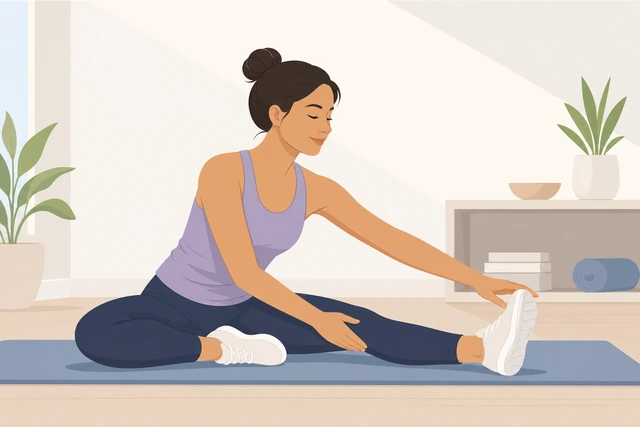
Forcing end-range when exhausted risks a strain.
- Back out of painful ranges.
- End the cool-down.
- Plan mobility work another day.
You stopped before painful end-range.
No-time minimumOnly a couple of minutes available
Do a 90-second easy walk — never skip to zero.
90-second walk · mandatory minimum · then stretch two areas.
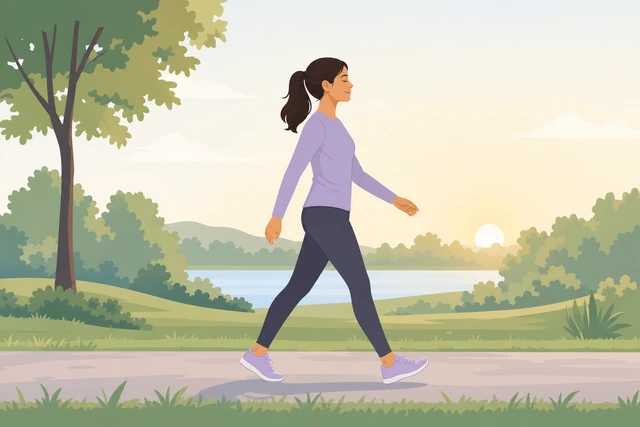
Even a tiny cool-down beats slamming to a stop.
- Walk easily for about 90 seconds.
- Keep it moving.
- Then pick two stretches.
90-second walk is done.
Pick the two tightest areas only.
Two priority stretches · ignore the full menu today.
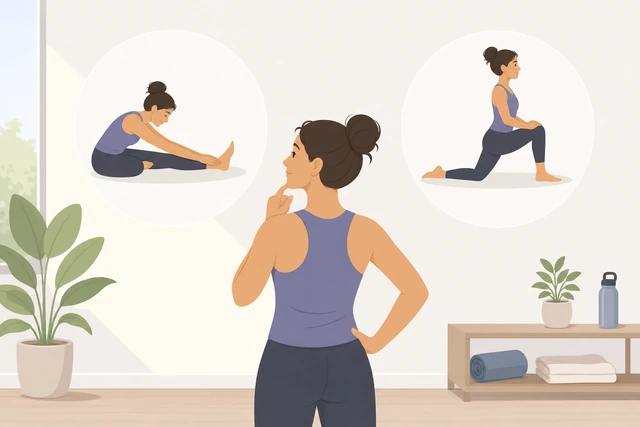
Priority beats an abandoned perfect routine.
- Choose the two tightest spots.
- Skip the rest today.
- Hold each ~20–30 seconds.
Two priority stretches are chosen.
Hold each about 20–30 seconds, no bounce.
20–30 sec each · no bounce · breathe.
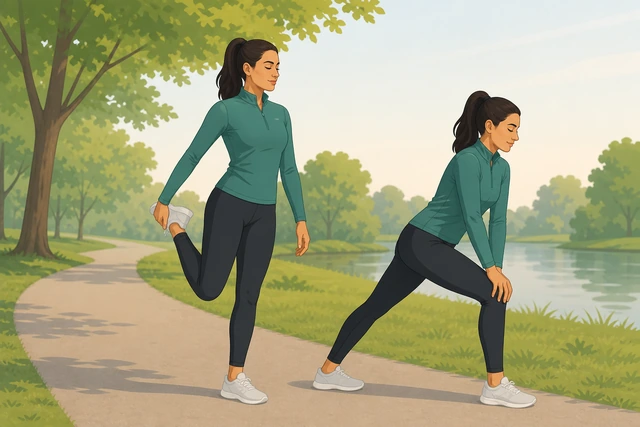
Short quality holds still count.
- Hold stretch A.
- Hold stretch B.
- No bouncing.
Both quick holds are done.
Sip water on the way out.
Water sip · then leave · better than nothing.
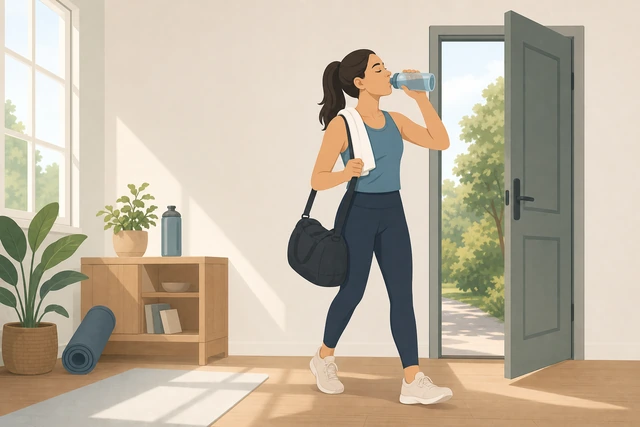
Hydration is part of the minimum.
- Grab water.
- Sip.
- Exit.
You sipped water.
Put a 5–10 minute cool-down on the next session calendar.
Protect time next session · do not make minimum the habit.
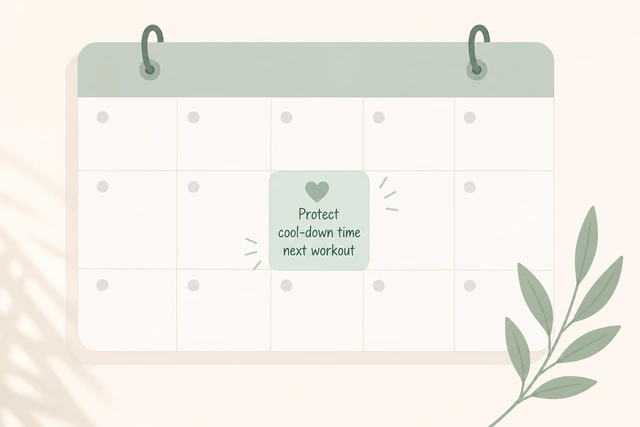
The minimum is a rescue, not the ideal forever.
- Block 5–10 minutes next time.
- Set a phone reminder if needed.
- Treat cool-down as part of the workout.
Next session has cool-down time protected.
When to get help
- Seek urgent care for chest pain, fainting, or severe ongoing dizziness.
- Ask a trainer to tailor cool-downs for your sport.
- See a clinician for sharp joint pain that does not settle.
When This Doesn't Work
- Coach requires a sport-specific protocol. Follow that protocol; use this as a backup.
- Medical limits on stretching. Get clearance and use only approved moves.
- You feel chest pain or faint. This is not a stretch problem — get urgent care.
Warnings
- Do not bounce stretches.
- Do not ignore dizziness or chest symptoms.
- Not medical advice for cardiac events or injuries.
Tips
- Put cool-down on the clock before you start the workout.
- Match stretches to what you trained.
- A jacket helps if you cool off fast outdoors.
FAQ
How long should a cool-down be?
Usually 5–10 minutes. A 90-second minimum is only for true time crunches.
Static stretch before or after?
For most workouts, keep longer static holds for the cool-down after you have walked.
Can I skip if I feel fine?
You can shorten, but do not go from max effort to a hard stop — at least walk briefly.
Comments
Questions, corrections, and what worked for you. Comments are reviewed before they appear.